Define the problem
Choose one management issue, key equipment and an owner. Agree on acceptance criteria.
 GPAIoTLegacy Equipment AIoT
01 / SOLUTIONS
Which machines are idling? Where is energy wasted? Who handles an alert?
Five connected capabilities create a traceable path to improvement.
CONNECTED EQUIPMENT
Use external current measurements and existing sensor signals, with gateways and edge computers, to build continuous equipment records.
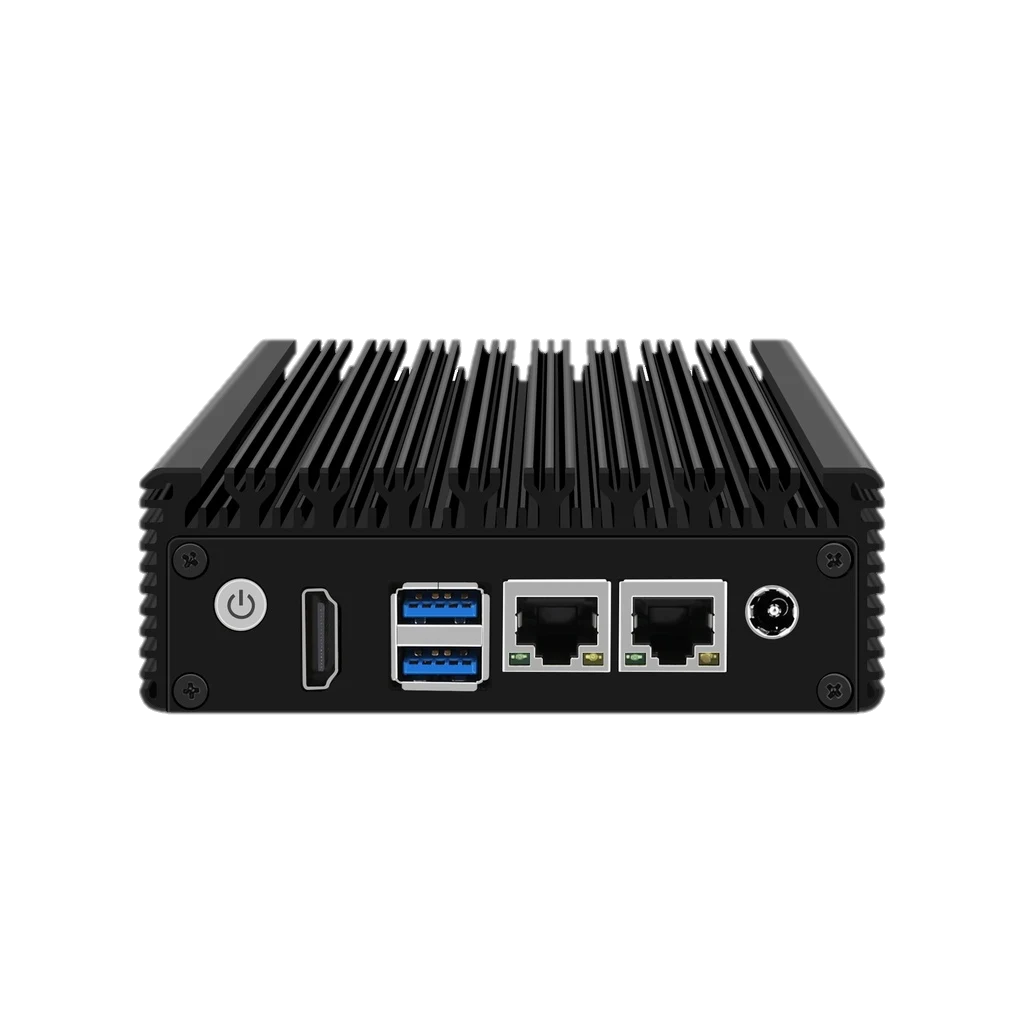 Raw data stays in your factory. Missing values are never filled with zeros.
05 / START SMALL, SCALE WITH EVIDENCE
Validate data and management workflows over 14 complete production days.
Confirm what works before expanding the investment.
Choose one management issue, key equipment and an owner. Agree on acceptance criteria.
Check panel safety, signals, measurement ranges, network and local storage.
Test measurement points, scaling, time synchronization, outages and data forwarding.
Verify state classification and alert workflows, then expand using reviewed evidence.
14 complete production days are not 14 calendar days. Agree on data completeness targets, state definitions and installation outages before kickoff.
A CLEAR STARTING POINT
Scope and pricing depend on equipment count, sensor configuration and site conditions, subject to a site assessment and formal quotation.
Request a quote
Start with 3 critical machines
Local web interface, data storage and offline core services
Request a quote
5 machines, mobile app, alerts and AI assistant
From year two: NT$29,136 per factory per year
Energy meters, environmental sensors, high-frequency diagnostics and special installation are quoted separately. Taxes, third-party AI costs and usage limits follow the formal quotation.
BEFORE WE START
Start with external CT current measurements and sensor signals, then integrate existing controllers as needed. Qualified personnel must confirm panel safety, measurement ranges and required power shutdowns before installation.
Current supports load trends and calibrated state classification. Actual kW, kWh and PF require suitable smart energy meters and verified measurement points. Current-only energy estimates cannot support formal billing or verified savings.
No. OEE requires Availability, Performance and Quality, plus planned production time, ideal cycle time, total output and good count. Without these inputs, show equipment state shares. Offline is separate from downtime.
Local core services continue while factory power, the local network and edge equipment operate normally. Buffered records are forwarded after reconnection as configured. Remote apps and cloud AI may not update during outages.
We can review available resources against your business conditions and current announcements. Eligibility, amounts and approval depend on the competent authority. Funding is not guaranteed.
LET’S MAKE IT WORK.
Use external current measurements and existing sensor signals, with gateways and edge computers, to build continuous equipment records.
Raw data stays in your factory. Missing values are never filled with zeros.
Use 24-hour load profiles and day-to-day comparisons to identify high loads outside production and support candidate Significant Energy Use (SEU) assessment.
CT-only data provides load trends. Actual electrical energy requires meter verification.
Calibrate minute-level current against each machine’s characteristics to classify running, standby and stopped states, revealing extended waiting and load changes.
Running is not the same as producing good parts. State shares are not OEE.
Use trend drift, sustained high loads and start/stop counts to connect anomaly confirmation, maintenance and closure in an equipment history.
Minute-level current does not replace high-frequency vibration diagnostics. Failure causes still require on-site confirmation.
Integrate temperature, pH and level sensors over Modbus RTU / TCP, then interpret them alongside loads and events.
Monitoring depends on installed sensors. The platform does not replace safety interlocks.