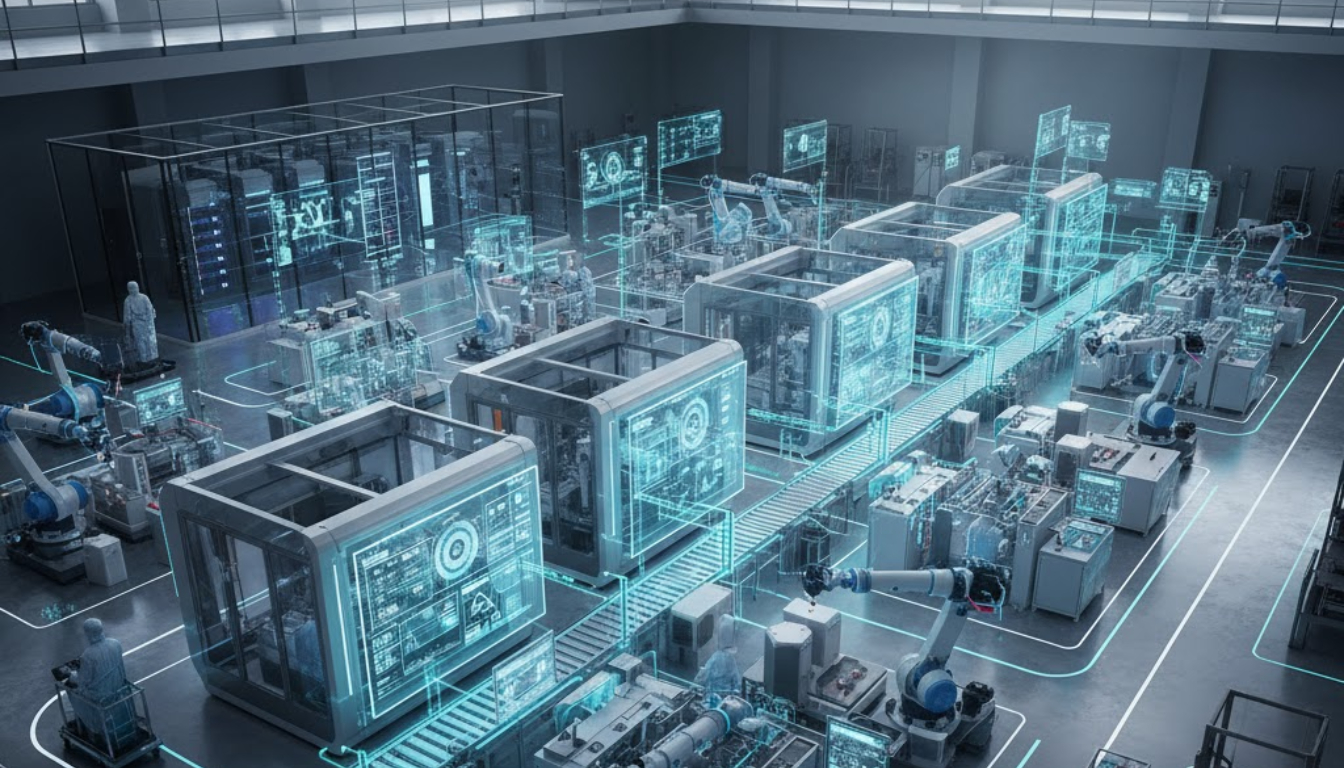
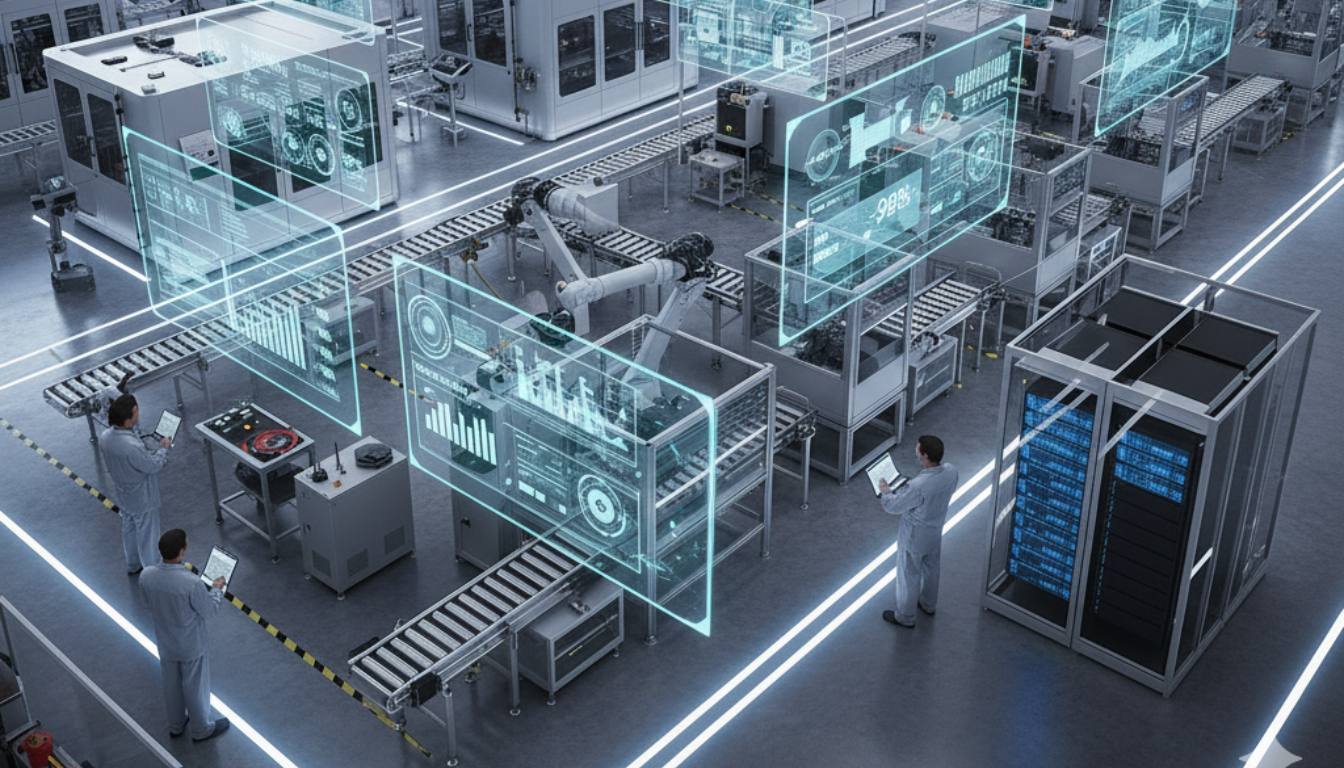
Small factories face significant challenges as technology develops and market demand changes. Many see digital transformation as essential to their continued operation. This article outlines steps traditional factories can take to adapt and develop.
Begin by assessing the current situation. Understand operating processes, technology capabilities and employee skills through the following activities:
- Collect data: gather production records, equipment operating data and employee feedback.
- Analyze processes: identify bottlenecks and inefficient stages in production.
- Review technology: assess whether the existing infrastructure can support future digital requirements.
This assessment clarifies strengths and weaknesses and provides a foundation for the next steps.
Next, set goals that give the transformation a clear direction. These may include:
- Improving production efficiency
- Reducing operating costs
- Improving product quality
- Increasing customer satisfaction
Make goals specific, measurable and achievable so progress can be evaluated throughout the project.
Then choose suitable technology. Digital transformation can involve:
- Internet of Things (IoT): connect sensors and equipment to monitor production in real time.
- Data analytics: use analytical tools to improve production decisions.
- Cloud computing: provide flexible storage and computing resources for remote work and data sharing.
- Artificial intelligence (AI): use machine learning and automation to support efficiency and quality.
Select technology according to business needs, budget and compatibility with existing systems.
Integrate the systems so the selected technologies work with existing operations. Integration should include:
- An integration plan: define the tasks and schedule.
- Suitable partners: work with technology suppliers and system integrators to support implementation.
- Testing and adjustment: verify system stability and reliability before launch.
After integration, train employees. Transformation changes both technology and working practices. Training can cover:
- Technical skills: how to use the new systems and tools.
- Processes: the new workflows and operating standards.
- Digital thinking: help employees understand the change and participate actively.
Effective training helps employees adapt and work efficiently in the new environment.
Monitor and evaluate the results after training. Regular reviews reveal progress and indicate where adjustments are needed:
- Set key performance indicators (KPIs) aligned with the project goals and review them regularly.
- Gather feedback from employees and customers to identify problems.
- Improve continuously: adjust the strategy and processes based on the findings.
Finally, remain flexible. Transformation requires ongoing responses to market and technology changes:
- Update technology: follow industry developments and upgrade when appropriate.
- Encourage innovation: invite employees to propose ideas and improvements.
- Maintain feedback channels so employee and customer concerns are heard.
Flexibility helps factories respond to competitive conditions.
Traditional factories may face investment constraints, employee resistance and process changes. A systematic approach and effective strategy can support the transition and competitiveness.
Digital transformation changes company culture and ways of thinking as well as technology. Participation across the organization is essential.
Assessing operations, setting goals, selecting technology, integrating systems, training employees, evaluating results and remaining flexible provide a practical path for traditional factories facing change.
These steps can help traditional factories improve production efficiency and competitiveness. Transformation takes time and sustained effort.