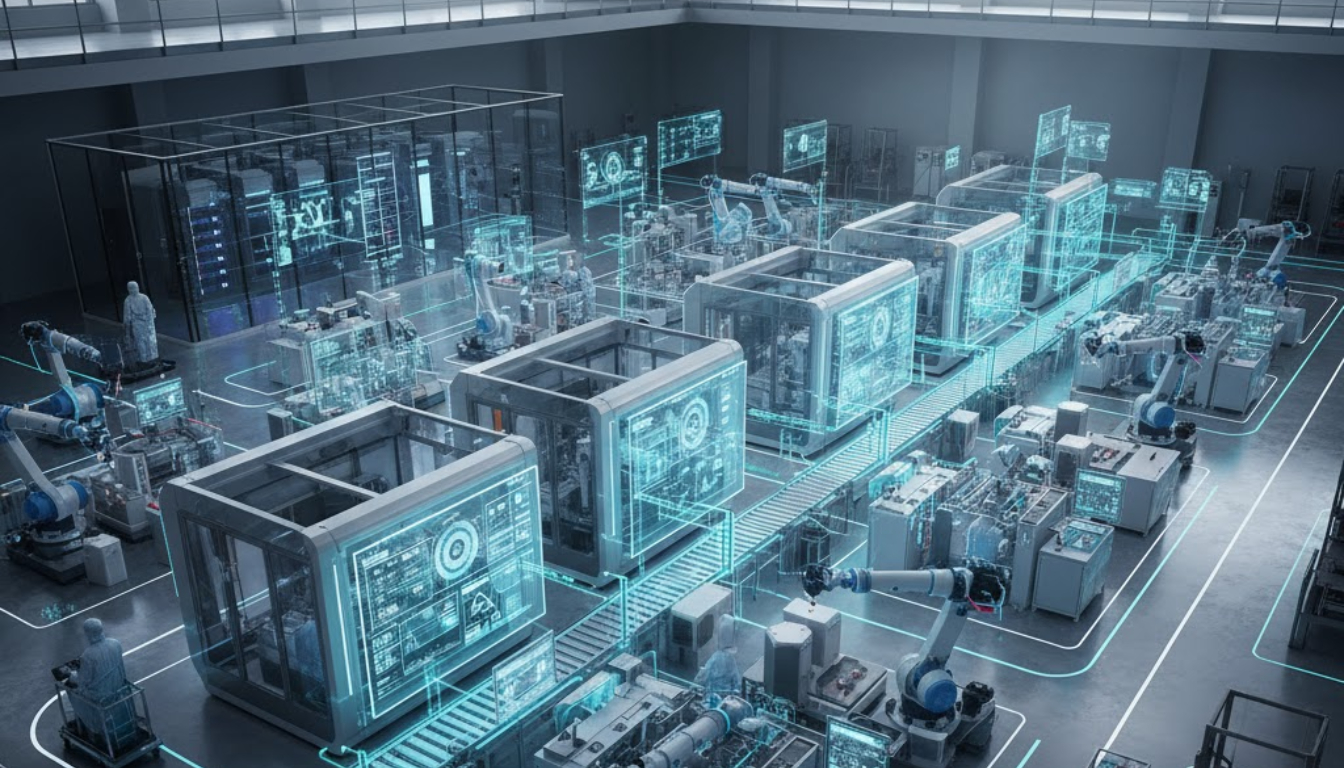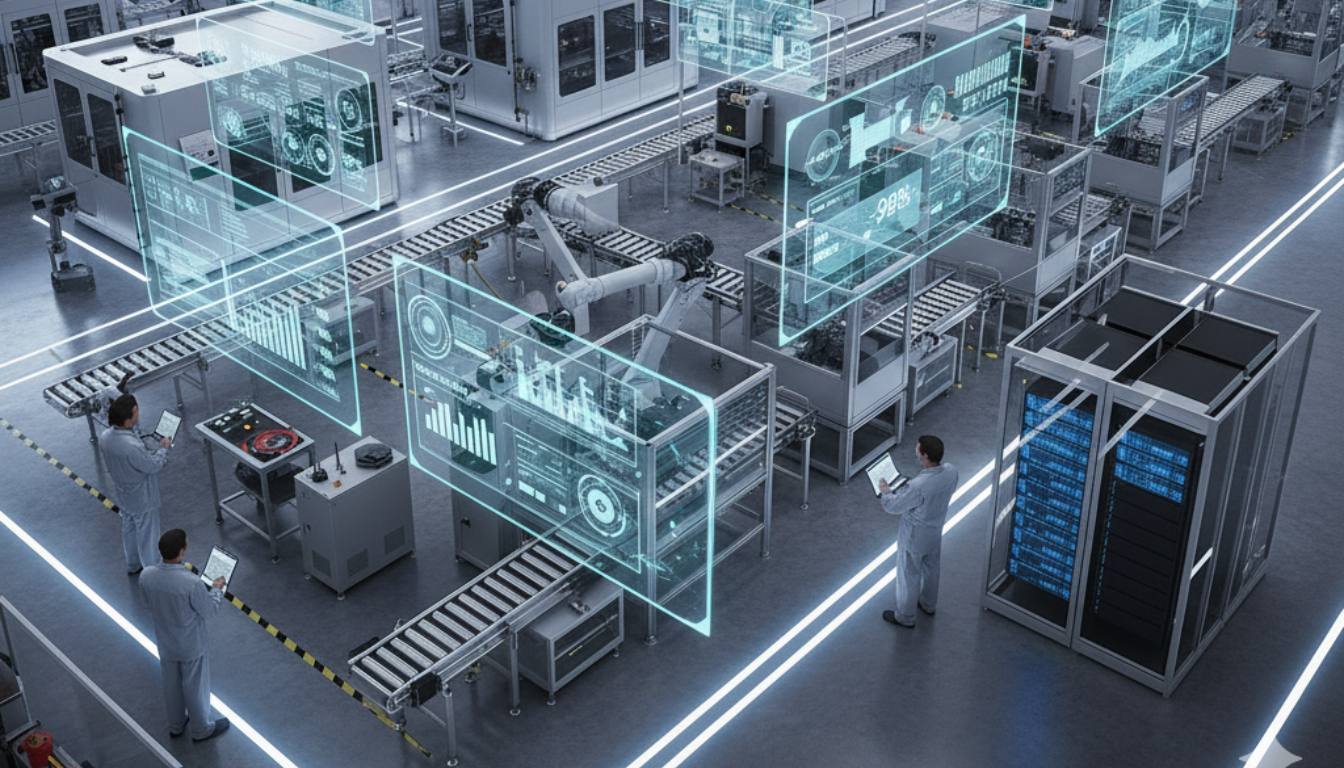
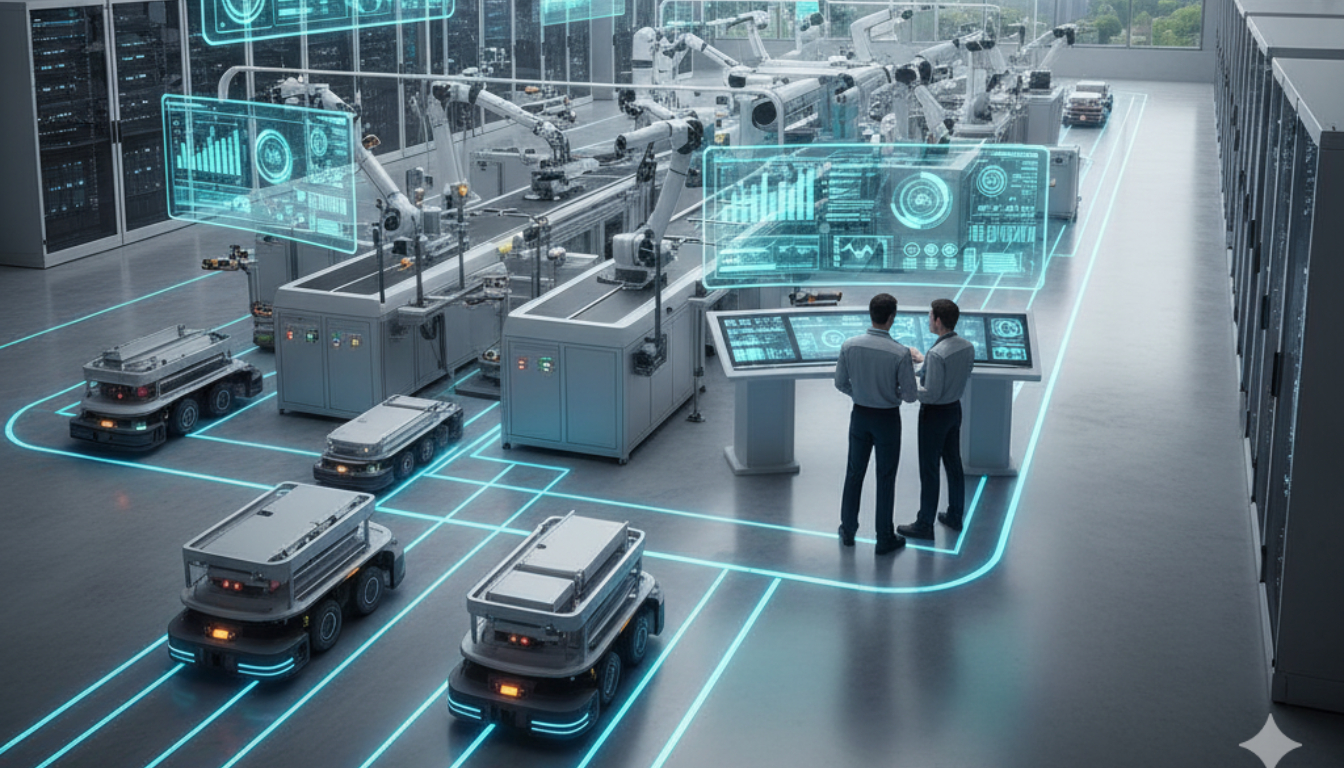
Digital transformation is an important way for manufacturers to strengthen competitiveness. Businesses need to respond to market changes and use digital tools to improve production processes. This article examines the main areas involved.
Effective use of data is central. Collecting and analyzing production data supports better decisions. Sensors and IoT can provide timely equipment-status information and help identify potential problems, supporting efficiency and cost management.
Define clear goals, such as improving production efficiency, reducing scrap or improving quality. Goals guide the strategy and plan. For example, a manufacturer might consider automation to reduce manual work and increase production speed.
Choose tools that suit your needs and budget. Options include cloud computing, data analytics and AI. Cloud computing can support centralized data management and sharing, while analytics can provide insights into market needs.
Integrate the selected technologies with existing systems. Working with qualified technology suppliers can help systems connect effectively. Integration quality directly affects the outcome of the transformation.
Train employees to use the technology. Regular training and workshops help staff adapt to new working practices and make effective use of the tools. Active participation supports a successful transition.
Pay attention to security as data volumes grow. Protect sensitive information with suitable safeguards, supported by regular security audits and risk assessments.
Evaluate and improve continuously. Regular performance reviews show progress and help the business adjust its approach to actual conditions.
This article gives an unnamed automotive manufacturer as an example: a smart manufacturing system and data analysis were used to monitor production-line conditions, adjust production plans and reduce downtime. No supporting measurements are supplied in this article.
Examples can help explain the potential value of transformation. Challenges remain, and results depend on sustained effort and the conditions of implementation.
Digital factory transformation brings together data use, goal setting, technology selection, system integration, employee training, security and ongoing review. Continued learning and practical improvement help manufacturers adapt to the digital era.